

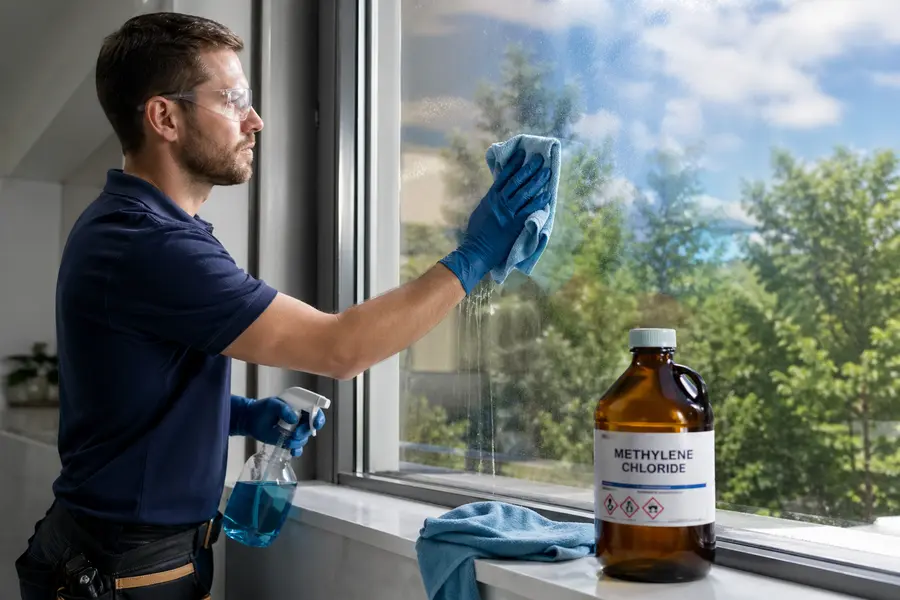
Streaks sticking around even after wiping the car window? That frustrates plenty. Some start hunting for answers on how to clean windows with methylene chloride as a go-to cleaner, drawn by claims of flawless clarity. Truth is, confusion reigns between that chemical and gentler options. Missteps happen when safety gets overlooked in favor of sparkle. Houses take risks then, all for panes that gleam just right. What you will discover is that you will have clean and streak-free windows with the proper product and application. In this article, we will describe effective methods to have beautiful windows that will get you the best results with the least amount of hassle.
1. What Is Methylene Chloride and Should You Use It?
Heavy-duty cleaning starts with stripping away stubborn grime, usually requiring strong chemicals such as methylene chloride — it’s a quick way to melt through thick layers of old paint. A chemical punch shows up when scrubbing alone fails. Problems arise when applied carelessly indoors, letting vapors accumulate quickly. Safety suffers because of its strong chemical nature. This substance works fast but brings risks instead of benefits indoors. Methylated spirits offer an alternative that produces equally positive results but without the risk of negative health effects. Picking what cleans best means things get properly clean while keeping everyone around feeling okay.
2. Window Cleaning With Methylated Spirits?
Washing lifts away grime along with stubborn marks. Dirt fades when cleaned properly. It is effective on Windows, which makes it useful during end of lease cleaning when a spotless finish is required. When this cleaner is used, the glass can be clear. Since it vanishes fast once applied, there’s nothing left behind – no trails, no haze. Consequently, you can get a professional look that you desire at home. Because they cost little and show up easily in stores, they make a handy pick for regular wipe-down jobs. Surfaces start to gleam once methylated spirits meet tile. Each wipe lifts grime faster than before. Following every scrub, water rinses away residue quietly. The finish holds its clarity, needing less attention over days. Lasting cleanliness shows up in subtle ways after the cloth is put away.
3. What You Need Before Starting Cleaning?
Apart from the essentials, start by picking up a spray bottle. Toss in some microfiber cloths – just a few will do. A window squeegee follows close behind. Then include a splash of methylated spirits to round it out. Water comes into play afterward, used later to thin things down. It also clears off whatever streaks might still cling to the glass. When everything waits close by, moving through tasks feels smoother. No mid-way hunts for tools interrupt the flow, thanks to early setup.
4. Preparing Windows for Cleaning?
Start gently. A soft brush removes dust before it turns into streaks when wet. Grime sticks around otherwise – once water arrives, smearing follows. Clean first. Smooth motions work best across the glass. Miss this part, and hazy marks might stick around longer than wanted. Work high to low to keep fresh zones free of falling junk from above. Getting ready like this? Makes shiny, flawless results far more likely.
5. Using methanol spirits to clean windows?
A bit of methylated spirits is mixed with clean water just before going into the sprayer. This mix often coats the glass too heavily, creating runs that streak behind. In circles, a microfiber cloth drags dirt along as it slides across. A microfiber rag moves in loops, pulling grime away as it glides. Each pass covers new ground, so nothing gets missed or smeared. With the right touch, clarity appears like soft morning light on clean windows
6. Ways to clean glass without streaks?
Starting at the top, pull the squeegee straight downward – no pauses. A single motion clears the way. A single stroke works best when it flows like water off glass. Each stroke leaves a clear path behind it, so dirt stays ahead of the blade. Once the cloth removes moisture, smoothness appears with no trails left behind. Workers who do this daily rely on the rhythm it brings. Appearance improves sharply when done right.
7. How to Handle Corners and Edges Like a Pro?
Start at the edge where grime gathers, then move into the corner slowly. A dry microfiber cloth works best when sliding through tight spaces. Missed patches tend to show up once light hits the glass just right. Wipe each section without rushing. This helps avoid streaks others might miss. Surprising features tend to show up when you examine something more carefully.
8. Best Time to Clean Windows?
Right now, cleaning might smudge what the morning sun already touched. Later hours give better results, most times. Heat eats through alcohol-based cleaners more quickly than expected. Start when shadows stretch, not when glare hits hard. Movement flows more easily as brightness fades. Evaporation drops off when the sun slips low. Pacing yourself beats hurrying every step. When temperatures drop slightly, results rise – effort stays steady but gains more ground.
9. Using Methylated Spirits for Different Cleaning Jobs?
A sudden light rises underfoot as methylated spirit meets tile. Only once properly wiped does the shine appear. Grease vanishes once the liquid reaches it, and scuffs fade like smoke. Old dirt lifts without protest, leaving surfaces clean by morning light. A proper mix matters; never pour full-strength onto surfaces. Watch the ratio, though – applying it undiluted risks damage. Watch the ratio, though – applying it undiluted risks damage. Start by trying just one spot to see what happens to the material. This move helps avoid damage when working with delicate surfaces. If it goes well, daily tasks feel lighter over time.
10. How to Stay Safe?
Halfway into wiping things down, allow airflow with a slightly opened window or doorway. While not as strong as industrial cleaners, rubbing alcohol might still cause issues. Use gloves also for assistance with sensitive skin when cleaning jobs are long.
11. Window Cleaning Frequency?
Cleaning the glass once a week to prevent dirt build-up. Bright panes stay clearer longer when touched often. Over months, skipping steps leads to tougher scrubbing. A quick pass each week means less work later. Dust settles more slowly if disturbed regularly. Clean looks last when care comes frequently. Shiny results come not from one big push but many small ones. Clean windows are just one part of a well-kept home, explore essential things to clean before guests arrive.
Conclusion
Most people hunting for cleaner glass skip straight to harsh chemicals – though they do not need to. Try mixing vinegar into water first instead. A good squeegee follows, pulling streaks away quietly. Windows shine fine this way, minus the danger. Little by little, consistent steps build results, changing cluttered glass into clean views quietly. When dirt disappears, rooms seem wider, air just slightly lifted. Frequently handling small tasks works better than facing huge cleaning jobs later.