

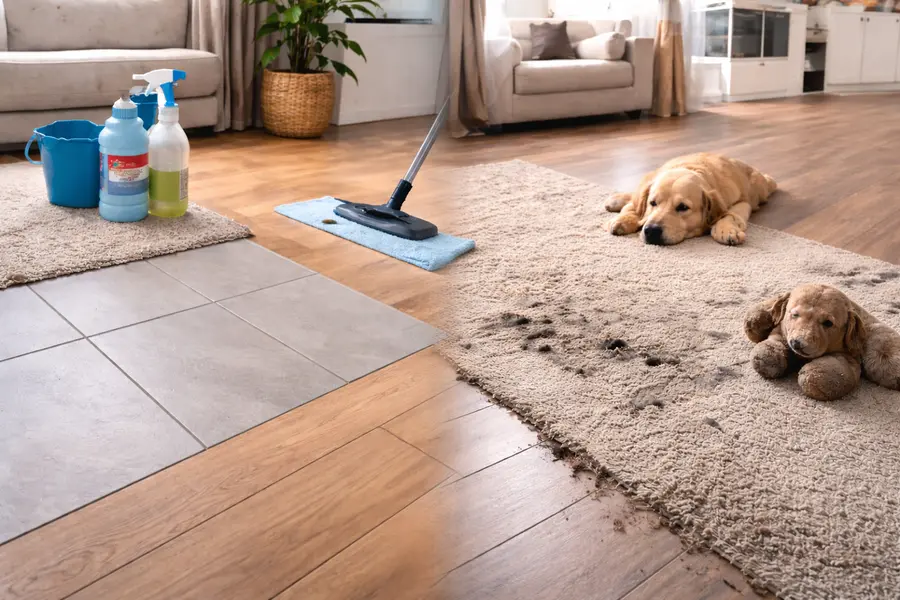
You have ever gotten up sneezing, with itchy eyes, or stuffy nose and wondered being in your home whether something in your home is causing it? It is common to dust or ventilate surfaces, but one of the factors that one forgets about is the floor under your feet. Floors occupy much space in your house, and they may help either block out allergens or be a dusty and unseen aide to dust, pets, pollen, and other irritants.
The choice of the flooring may have a significant influence on the indoor air quality of people with allergies or asthma. Some flooring products are easy to clean and prevent accumulation of allergens on the floor, but some products harbor dust and moisture and with time, the symptoms worsen. Knowing what kind of flooring is the healthiest and the least comfortable will also help you create a more comfortable and healthy environment. The discussion of the flooring options that can be helpful or harmful to the allergy disorders is provided in the following in a more detailed manner.
Flooring Best Options to Allergy Sufferers:
1. Hardwood Flooring
Hardwood floors are often recommended by cleaning company as one of the most suitable ones with regard to allergy patients. It is a solid and smooth material that does not hold dust, and pollen or pet hair as softer ones do. This enables it to be made easy to maintain and clean up by routine sweeping or vacuum cleaning.
Hardwood floors are also not easily retained in moisture and that is why they avoid growth of moulds which can easily trigger allergies. Due to the longevity and classic look, hardwood flooring is equally a healthy and a fashionable house type.
2. Tile Flooring
The second option helpful in case of allergies is ceramic or porcelain tiles. These substances are not porous and very simple to wash. The dust, dirt, and allergens do not get caught up in the flooring and instead they stay on the surface.
Allergens can be removed using tile floors which can be easily cleaned using a vacuum, mop or damp cloth. They also do not absorb water, and hence, they suit places such as kitchens, bathrooms, and entry doors where there is a tendency of spills. Kitchen areas also require regular maintenance, especially when it comes to cleaning grills that collect grease over time.
3. Vinyl Flooring
Vinyl flooring is a relatively current product that has gained popularity among households as an allergy-free product. Vinyl of high quality has smooth surface which is not prone to trapping allergens and it is easy to clean.
it is also moisture and stain resistant that will minimize the probability of mould or mildew. Vinyl flooring can also be customized in various designs that replicate wood or stones and as a result, homeowners can have stylish floors without the adverse effect on the indoor air quality.
4. Laminate Flooring
Laminate flooring is almost easy to install than the hardwood flooring and is not very allergic. The surface most is a laminate that is not porous and therefore does not allow the dust and allergens to be embedded in it.
The laminate floors could be installed, maintained, and cleaned well to make sure that the allergens are kept out of the way done by the floors. The flooring is however expected to be laid in proper manner in order to keep away the moisture of the floor.
The Poorest Flooring Material to Have When One has Allergies.
1. Wall-to-Wall Carpet
Although carpets may be soft and comfortable, they are usually deemed to be the least suitable people to use. The fibres of the carpet collect dust, pollen, pet hair and even very small insects like dust mites quite easily.
No matter how much the carpet is vacuumed, there can be a challenge of getting the allergens that are deeply sewn in the carpet fibres. Moisteners can also be trapped in the carpets over time which in turn can stimulate the growth of mould. To the sufferers of allergies, such a combination can greatly aggravate the symptoms.
2. High-Pile Rugs
Large or shag carpets can provide coziness and attractiveness to a room, and they can also serve as a source of allergens. The dust and debris are easily accumulated in their thick fibres thus making them hard to clean deeply.
In case of the need of having a set of rugs, it is more appropriate to select the low-pile or washable rugs that are easier to keep orderly and which do not accumulate as many allergens.
3. Old or Damaged Flooring
Older flooring materials particularly the cracked, worn, and poorly maintained flooring materials can be a home to dust, mould, and bacteria. Minor cracks or broken spots are able to keep allergens and reduce the efficacy of deep cleaning.
Flooring replacement and repairing damaged areas may help a lot in enhancing the quality of air inside the home and minimizing allergy triggers at home.
Conclusion
It is surprising that the role of flooring in terms of indoor air quality and allergy management is significant. Hard surfaces that are primarily the best ones include hardwood, tile, vinyl, and laminate due to their ability not to trap the allergens and cleaning them is easy. Carpets and heavy rugs, on the other hand, would have a high amount of dust, pet dander and moisture, and therefore would not be the best choice of flooring in the family room of an allergy sufferer.